
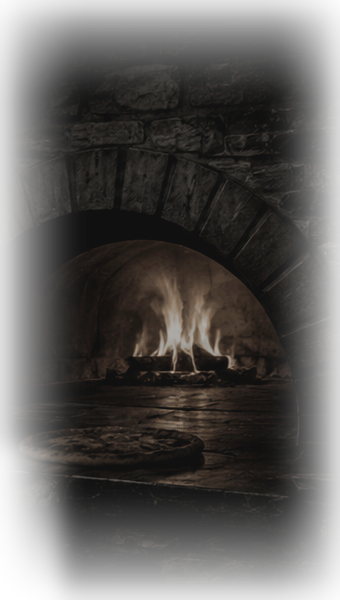
Wood fire does more than give the restaurant a traditional image. In a suitable oven, it creates a very particular baking environment: the floor heats the pizza base, the dome radiates heat onto the topping and burning-hot gases circulate around the disc.
Three forms of heat in one oven
A pizza placed on the oven floor first receives heat by conduction. The base of the dough ball is in direct contact with the hot surface. At the same time, the dome returns heat by radiation, while movements of air and hot gases contribute to convection.
The value of a wood-fired oven lies in this combination. Dough and topping do not bake in exactly the same way, but they must reach the right point together. The floor must not burn the underside before the cornicione develops, and the dome must colour the top without drying the centre.
Why high temperature changes pizza
In a Neapolitan-style oven, the temperature far exceeds that of a domestic oven. Baking is measured in moments rather than long minutes. Water in the dough rapidly turns to steam, existing gases expand and the cornicione develops vigorously.
This rapid bake limits the time the centre is exposed to heat. It can remain tender and soft while the surface colours. Small brown or darker areas correspond to thin, inflated parts receiving more heat: this uneven colouring is part of the appearance of many Neapolitan pizzas.
Why the pizzaiolo turns the pizza
The area near the fire is more intense than the other side of the oven. The pizzaiolo must watch the cornicione, lift the disc slightly and turn it to distribute colour. The movement looks simple, but timing matters: too early and the dough may deform; too late and one side will already be burnt.
UNESCO specifically includes turning the pizza in the oven among the movements associated with the art of the Neapolitan pizzaiolo. This shows that baking cannot be fully automated: it must be read and corrected in real time.
Does wood really give a smoky flavour?
Wood fire is often associated with a strongly smoky aroma. For a pizza baked very quickly in a clean oven, the effect is more subtle. Wood mainly influences how the oven heats up and maintains temperature. Aromas also come from fermentation, dough colouring and heated ingredients.
Well-managed combustion produces a lively, relatively clean flame. Heavy smoke is not a sign of quality; it may deposit unpleasant flavours. Choosing dry wood, maintaining draught and cleaning the oven floor matter as much as the species used.
Why the result differs from a domestic oven
A domestic oven is less hot and often has a lower metal chamber. To bake dough through to the centre, it must remain longer. The topping then loses more water and the base becomes drier. A baking stone or steel improves conduction but cannot fully reproduce the radiation of a very hot masonry dome.
That does not mean good pizza is impossible at home. It simply explains why recipe, hydration, thickness and baking time must be adapted to the available equipment.
Wood fire at Gastonello
During service, the oven evolves constantly: every opening, every pizza and every addition of wood changes its balance. The work consists of maintaining a usable floor area, a dome with enough stored heat and a flame capable of keeping up with orders.
At Gastonello, this baking method is part of the restaurant’s identity. It gives every pizza its own personality while requiring precise organisation to respect collection and delivery time slots.
Frequently asked questions
Is wood-fired pizza always better?
No. The oven is a tool. Quality also depends on the dough, ingredients, actual temperature and the skill of the person baking.
Are dark spots burns?
Occasional colouring may be normal on a thin, inflated cornicione. A large charred area or bitter taste, however, indicates unbalanced baking.
Why should the underside not be black?
The floor should sear the dough without carbonising it. A uniformly black underside tastes bitter and often indicates an overly hot floor or too much residue.
References and sources
For further reading, these organisations and reference texts allow the main historical and technical points cited in the article to be checked.